5 Ways to Use Wall Panels to Create Calm, Professional Office Interiors
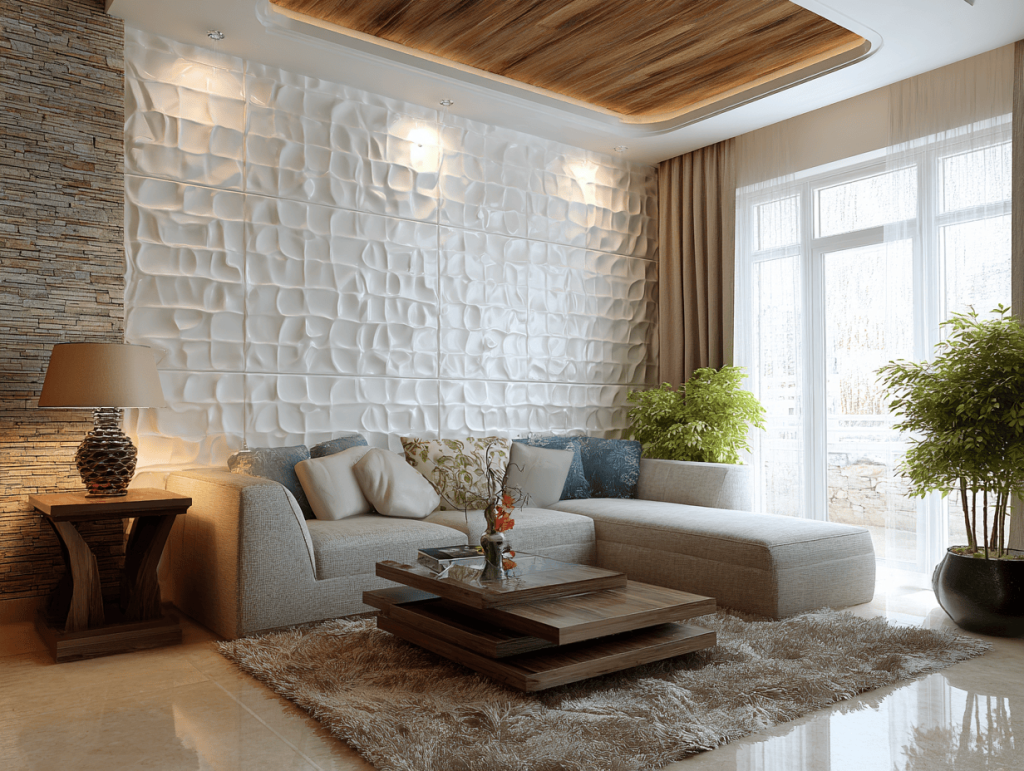
Modern offices are meant to balance functionality, collaboration, and aesthetics. They’re designed to be welcoming, energising, and conducive to productivity. Yet, anyone who has spent time in a busy workplace knows that even the most well-designed office can feel chaotic. Noise, distractions, and uninspiring design can combine to make employees feel drained, stressed, or unable to concentrate.
One of the simplest ways to transform such an environment is with wall panels. These versatile installations improve acoustics, help define spaces, and add a layer of texture that instantly elevates the office atmosphere. Below, we explore five practical ways to use acoustic wall panels to create calm, professional office interiors.
1. Absorb Sound Without Sacrificing Style
Noise is one of the biggest, often underestimated, challenges in open-plan offices. From casual conversations to ringing phones and humming office equipment, sound can build up quickly. This isn’t just annoying—it actively reduces productivity. Studies show employees take longer to complete tasks in noisy environments and feel more fatigued by the end of the day.
This is where a wall panel can help. Acoustic wall panels are designed to absorb sound, preventing it from bouncing around the office. Installing even a few panels in key areas like near conference tables, collaborative zones, or high-traffic workstations can make a noticeable difference.
The best part? Modern panels are stylish as well as functional. You can choose neutral tones that blend beautifully with your current décor or go for bold colours and textures that act as design accents. And here’s the important part: acoustic panels and materials aren’t soundproof. They don’t block or eliminate noise, but they do absorb sound to reduce echo and make the space feel more acoustically comfortable so you can enhance the environment without sacrificing aesthetics.
2. Create Visual Breaks in Open-Plan Layouts
Open-plan offices are popular for fostering collaboration, but large stretches of plain walls or desk clusters can feel monotonous. Without visual breaks, even a well-lit space can appear bland or overwhelming. Wall panels solve this problem beautifully.
Panels can be installed to add colour, texture, or pattern, turning plain surfaces into subtle design statements. For instance, fabric-wrapped panels in soft hues bring warmth, while geometric wood panels add depth and a modern touch. The panels not only break up the visual monotony but also subtly guide movement and define different areas of the office.
Additionally, the psychological effect of visual interest shouldn’t be underestimated. Employees are naturally more engaged in spaces that feel thoughtfully designed. Panels can create that sense of calm and structure, improving morale and focus at the same time.
3. Define Zones Without Building Walls
Sometimes, an office needs clear zones for different activities like collaborative areas, focused workstations, or casual meeting spots, but adding permanent walls isn’t practical. Wall panels provide a flexible solution.
Panels can define these zones without compromising the open feel of the office. For example, a series of panels along a row of desks can indicate a focused work area, while a feature wall in a corner can create a semi-private meeting space. These visual cues help employees understand how the space is meant to be used, and the panels’ sound-absorbing properties reduce echoes and improve overall acoustic comfort.
In addition, some panels are freestanding, offering a movable option for offices that need to adapt layouts regularly. This flexibility is especially useful for growing teams or hybrid workspaces where office configurations change frequently.
4. Add Texture and Depth to Plain Walls
Bare walls can feel cold, sterile, and uninspiring. Wall panels instantly add depth and texture, transforming plain surfaces into something visually appealing.
Different finishes—felt, fabric, wood, or perforated metal—can change the mood of a room entirely. Felt or fabric panels give warmth and softness, perfect for collaborative or lounge areas. Wood panels add a sense of sophistication and natural elegance, which is ideal for executive or client-facing spaces. Even perforated metal panels can be visually striking while providing excellent sound absorption.
Panels also allow creative freedom. You can create patterns, geometric shapes, or even custom designs that reflect the company’s brand or culture. This isn’t just about making the office look good—it’s about creating an environment that employees enjoy spending time in, which subtly improves their day-to-day productivity and satisfaction.
5. Improve Employee Wellbeing
A calm, comfortable workspace directly impacts employee wellbeing. When noise is reduced, visual interest is increased, and spaces are clearly defined, employees feel more at ease and less stressed.
Wall panels contribute to this in multiple ways. By absorbing sound, they reduce the mental fatigue caused by constant background noise. By adding texture, colour, and design, they create a space that feels thoughtfully considered rather than haphazard. And by helping define zones, they allow employees to choose the environment that best suits the task at hand, whether it’s collaboration, focus, or relaxation.
The result is a workspace that supports better concentration, smoother teamwork, and improved overall morale. Visitors and clients also benefit from this improvement, as the office immediately feels more professional, organised, and welcoming.
Tips for Choosing the Right Wall Panels
If you’re thinking about incorporating wall panels into your office, a few considerations will ensure you get the best results:
- Material matters: Acoustic panels are usually made of fabric, felt, wood, or composite materials. Each offers different sound absorption properties and aesthetic appeal.
- Placement is key: Focus on areas where noise is most noticeable—meeting rooms, collaborative zones, or high-traffic corridors.
- Colour and texture: Choose panels that complement the overall design of the office, or use bold panels to create a focal point.
- Size and coverage: You don’t need to cover every wall. Even a few strategically placed panels can dramatically improve both acoustics and style.
- Flexibility: Consider freestanding or modular panels if your office layout changes frequently.
The Takeaway
Wall panels are more than just decorative elements—they’re functional tools that improve acoustics, create zones, and enhance employee wellbeing. With careful selection and placement, a few panels can make a busy office feel calmer, more organised, and more professional.
Whether you’re aiming to reduce noise, create visual interest, or provide flexible workspace options, a wall panel is a smart, practical, and stylish solution. Even small offices can benefit from the right panels, turning cramped or chaotic spaces into calm, efficient, and inspiring environments.
In the end, improving your office isn’t always about major renovations or expensive furniture. Sometimes, the simplest changes—like installing a few well-placed wall panels—can make the biggest difference for employees, clients, and the overall office atmosphere.