By
By 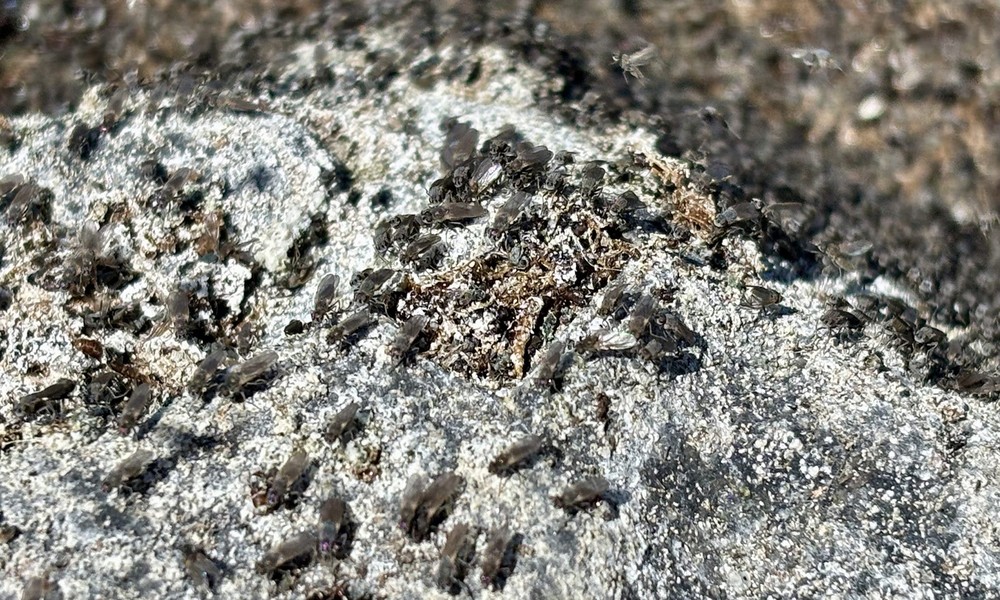
Unlike regions near large saline lakes, Phoenix, AZ does not naturally experience true brine fly swarms. However, residents may occasionally notice sudden increases in small flying insects near water bodies, parks, or irrigation zones. These events can resemble swarm behavior and often raise concerns.
If you have noticed unusual clusters of small flies near your home, understanding whether they are harmless or a developing pest issue is important. In such cases, Green Mango Pest Control can help identify the source and provide the right solution.
What Are Brine Fly Swarms?
Brine flies are specialized insects that thrive in extremely salty water environments, such as large saline lakes. They develop as larvae in water rich in algae and microorganisms, and when conditions are right, they emerge in large synchronized groups.
Some key characteristics include:
Large group emergence: Massive numbers can appear suddenly in areas where conditions support breeding
Water-dependent habitat: These insects remain close to shorelines or water sources
Short lifespan: Adult flies live only a few days, causing temporary swarms
Non-harmful nature: They do not bite or spread disease
While true brine flies are not common in Phoenix, AZ, similar swarm-like activity can occur with other small flies around artificial water sources.
Why You May Notice Similar Swarms in Phoenix, AZ
Even without a natural saline lake, Phoenix, AZ has environmental conditions that can create localized insect swarms.
Irrigation and Standing Water
Artificial irrigation systems, garden watering, and drainage areas create moisture pockets. These conditions attract small flies and other insects that breed quickly in warm temperatures.
Warm Climate Conditions
High temperatures accelerate insect life cycles. This can lead to sudden population spikes that resemble swarm behavior.
Organic Material and Algae Growth
Water features, ponds, or poorly maintained drainage areas can develop algae or organic buildup, which supports insect breeding similar to natural ecosystems.
How These Flies Differ From Common Household Pests
Here is a simple comparison to help distinguish them:
|
Characteristic |
Water-Associated Flies |
House Flies |
Fruit Flies |
|---|---|---|---|
|
Size |
Very small |
Medium |
Tiny |
|
Habitat |
Near water or moisture |
Indoors and waste areas |
Kitchens and fruit |
|
Behavior |
Gather in groups near water |
Move freely indoors |
Hover near food sources |
|
Lifespan |
Short |
Moderate |
Short |
|
Concern Level |
Temporary nuisance |
Potential health risk |
Food contamination risk |
|
Indoor Presence |
Occasional |
Common |
Very common |
Understanding Seasonal Fly Activity in Phoenix, AZ
Insect activity in Phoenix, AZ changes with temperature and moisture availability. During warmer months, fly populations increase rapidly, especially near water sources. After rainfall or increased irrigation, these insects may appear in larger numbers.
Although these swarms are often temporary, they can still be inconvenient. Identifying the source is the key to managing them effectively.
Green Mango Pest Control understands local insect behavior and environmental factors in Phoenix, AZ. Their team can assess whether the issue is a natural occurrence or a developing infestation and recommend targeted solutions to keep your home comfortable.
Final Thoughts
While true brine fly swarms are not typical in Phoenix, AZ, similar insect activity can occur due to water, heat, and environmental conditions. These situations are usually temporary but can become bothersome if left unmanaged.
With proper awareness and support from Green Mango Pest Control, you can quickly identify and address unusual insect activity around your home.