By
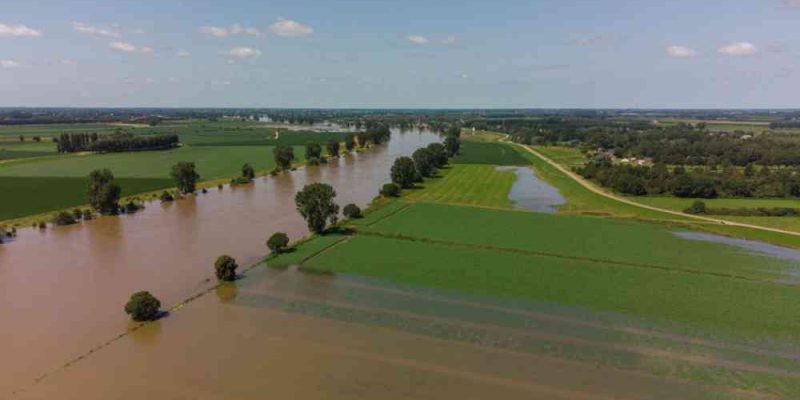
Water shapes land value in ways that are easy to overlook. A parcel that looks dry in late summer may be soggy for half the year, and an attractive low meadow may sit inside an official flood zone. For buyers, these conditions affect what can be built, what insurance costs, and how the land can be used. For sellers, understanding them helps set realistic expectations.
What Counts as a Wetland
A wetland is an area where water covers or saturates the soil long enough to support specially adapted plants. Marshes, swamps, bogs, and seasonal pools all fall under this broad term. Many governments protect wetlands because they filter water, reduce flooding, and provide habitat. As a result, filling or building on them often requires permits that may be difficult or impossible to obtain.
How Flood Zones Work
Flood maps divide land into categories based on the estimated likelihood of flooding. Property in higher-risk zones may face building restrictions, elevation requirements, or mandatory flood insurance if a loan is involved. These maps are usually available online and searchable by address or coordinates.
Effect on Buildable Area
Wetlands and flood zones rarely cover an entire parcel. More often they affect part of it, reducing the area suitable for a home, barn, or driveway. Buyers focus on what remains usable, so a tract that is mostly wet may be valued closer to recreational land than to a homesite.
Not Always a Negative
Water features can also add appeal. Ponds, streams, and marshes attract wildlife, offer recreation, and create beautiful views. Hunters, conservation buyers, and nature lovers may actually prefer such land. Some programmes also pay owners to protect wetlands through conservation agreements, which can create income or tax benefits.
Checking Your Own Parcel
Review official flood maps and national or regional wetland inventories. Walk the land during a wet season if possible, noting standing water and vegetation types. For a definitive answer, a professional wetland delineation identifies the exact boundaries, which can be valuable to share with buyers.
Presenting It Honestly
Disclose known wet areas and flood designations in your listing. Buyers will find them during research anyway, and early honesty prevents failed deals. In regions with abundant wetlands, clear water information builds trust and speeds decisions. Sellers who look at what Florida land buyers typically ask about will find water questions near the top of the list.
Insurance and Financing Effects
Flood designations influence more than building plans. Lenders often require flood insurance on any structure built in a higher-risk zone, and premiums can be substantial. Buyers who intend to borrow will factor that ongoing expense into what they are willing to pay, which is another reason clear information helps both sides agree on a fair price.
Final Thoughts
Wetlands and flood zones do not automatically make land undesirable, but they change who will buy it and what they will pay. Knowing the facts allows sellers to price fairly and market to the right audience. For other content, this site is worth checking.