By
By 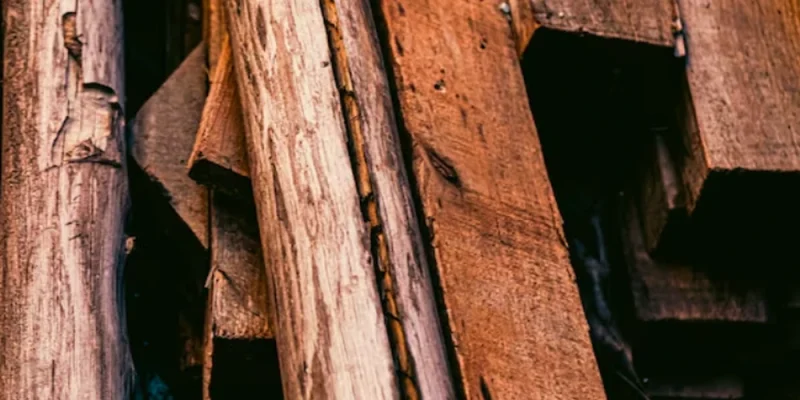
Redwood lumber brings warmth and character to a project before any stain or paint is added. Its grain and reddish tones can make a simple fence, deck, or garden structure feel like a thoughtful part of the home.
But appearance is only part of its appeal. Redwood is also valued for its workability, dimensional stability, and the natural decay resistance of its heartwood.
Those benefits come with a few important details. Grade, exposure, installation, and care all affect how the wood performs. Understanding them helps you choose redwood for the right reasons.
Natural Color That Gives Each Project Character
Redwood can range from lighter pinkish tones to deeper reddish brown, while sapwood is generally paler. Grain patterns and knots add further variation.
That means a finished project will not necessarily have a perfectly uniform color. For many homeowners, this variation is part of the appeal.
Clearer grades can create a more refined appearance. Boards with visible knots may suit a relaxed garden or backyard setting.
Before buying, look at several boards rather than one small sample. This gives you a better idea of the range of color and character to expect.
Outdoor Durability Depends on Heartwood Content
Redwood has a reputation for resisting decay, but not every board offers the same protection.
Heartwood, the inner portion of the tree, contains natural compounds that contribute to decay resistance. Sapwood does not provide the same level of natural resistance.
This distinction matters when comparing lumber grades. A board sold as redwood may contain heartwood, sapwood, or both. Ask which grade is appropriate for the intended exposure.
Natural durability also does not make redwood waterproof or immune to damage. Good drainage, suitable fasteners, and details that avoid trapping moisture still matter. Ground contact needs particular consideration.
The right grade and installation work together to support a longer service life.
Dimensional Stability Helps With Fit and Appearance
All wood responds to moisture. It can shrink as it dries and expand as it absorbs water.
Redwood is valued for its relatively low shrinkage, which can help limit movement. However, it can still develop checking, cupping, or other changes, especially when drying and exposure are uneven.
Its performance also varies with the material. Research has found differences between old-growth and younger-growth redwood, so broad claims about the species should not be treated as a promise for every board.
Ask whether the lumber is kiln-dried, air-dried, or sold green. Its moisture condition should be considered when planning installation and spacing.
Workability Makes Redwood Practical to Build With
Redwood is relatively lightweight and generally easy to cut and shape. That can make it manageable for both professional builders and homeowners working on smaller projects.
Its workability is useful for trim, screens, benches, and other features where clean cuts and a finished appearance matter.
There is a trade-off, though. Redwood is a comparatively soft wood, so tools, furniture, and rough handling can leave dents or marks.
Easy handling does not mean every piece is suitable for structural work. Beams, posts, and other load-bearing components need the appropriate grade, dimensions, and design. Appearance alone does not establish strength.
A Versatile Look for Outdoor Living Spaces
Redwood can work with a range of home styles. Simple lines may suit a modern patio, while more detailed woodwork can complement a traditional garden.
Common applications include:
- Decking and railings.
- Fences and privacy screens.
- Pergolas and garden structures.
- Outdoor seating.
- Exterior trim and decorative accents.
Each use has different demands. A decorative screen and a structural post should not be selected on appearance alone.
Think about sun exposure, moisture, wear, and the purpose of each component when choosing the lumber.
Finishing Gives You Options, but Care Still Matters
Redwood changes color as it weathers. Left unfinished outdoors, it can develop a gray appearance, though the change may be uneven depending on sun, moisture, and shelter.
Some homeowners enjoy that aged look. Others prefer to retain more of the original warmth.
An appropriate exterior finish can help manage weathering and maintain the desired appearance. A clear sealer does not necessarily preserve the original color indefinitely. Pigment, UV protection, surface preparation, and reapplication all affect the result.
Test a finish on a sample board first. Follow the product’s instructions for the wood’s condition and intended use.
Whether you choose a natural or finished look, plan for cleaning and periodic inspection.
Look at Value Beyond the Purchase Price
Redwood may cost more than some alternatives, depending on the grade, dimensions, and local availability.
Compare more than the price per board. Consider installation, finishing, expected maintenance, and suitability for the project.
A lower-cost grade may work well for one application but be a poor fit for another. Paying more for appearance may also make sense in a highly visible feature without being necessary throughout the entire structure.
Redwood does not automatically deliver the lowest lifetime cost. Its value depends on choosing suitable material and caring for it in a way that matches your expectations.
Choose Redwood With the Whole Project in Mind
Redwood lumber offers a useful mix of natural beauty, workability, and outdoor potential. Its heartwood durability and relatively low shrinkage are part of that appeal, but the details of the material still matter.
Before ordering, confirm the grade, heartwood content, moisture condition, and recommended use. Then plan the installation and maintenance around the setting.
With those choices made carefully, redwood can bring lasting character to a project you enjoy using every day.
This post was written by a professional at Anawalt Lumber. Anawalt Lumber is a family-owned lumber yard and hardware store serving Los Angeles for over a century. Known for quality lumber, contractor supplies, Hollywood hardware store, and a full-service nursery, Anawalt provides personalized service for homeowners and licensed contractors. From job pricing and bulk discounts to special-order materials with fast delivery, Anawalt is your trusted local building supply partner in Malibu, West LA, and Hollywood.