By
By 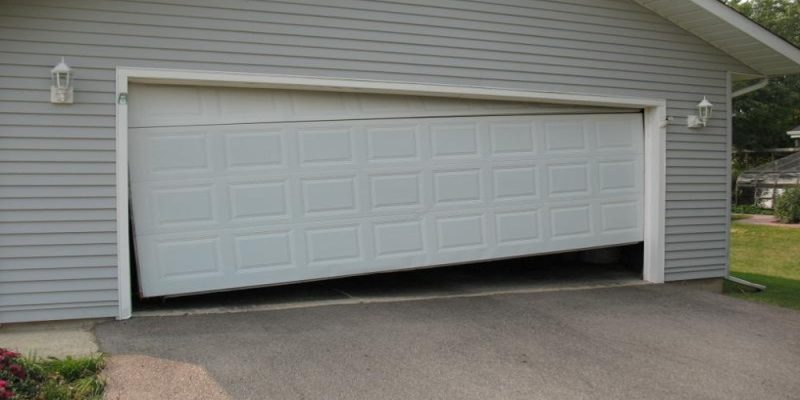
A garage door that’s out of balance is more than just an inconvenience-it’s a warning sign that something in the system is under stress. When balance is off, the opener works harder, parts wear out faster, and the risk of sudden failure increases. Understanding what causes imbalance and how to address it can help keep the system safe and reliable.
What Garage Door Balance Actually Means
A properly balanced garage door should stay in place when manually lifted halfway. It should not slam shut or rise on its own. This balance depends on the springs doing most of the lifting work, while the opener simply guides movement.
When balance is lost, it means the spring system is no longer correctly offsetting the door’s weight.
Common Causes of Garage Door Imbalance
One of the most common causes is worn or weakened springs. Over time, springs lose tension due to repeated use. As they weaken, they can no longer properly counterbalance the weight of the door.
Cable issues can also contribute. If a cable stretches or slips, it can cause one side of the door to lift faster than the other.
Track problems, such as bent or misaligned rails, may also create uneven movement. Even small obstructions or debris in the track can affect smooth operation.
Lastly, general wear on rollers and hinges can gradually shift how the door distributes weight, leading to imbalance over time.
Early Signs Your Door Is Out of Balance
Imbalance usually develops slowly, and early detection is key. Common warning signs include:
- One side of the door rising faster than the other
- The door feeling heavier when lifted manually
- The opener straining or making louder noises
- The door not staying halfway open when released
- Jerky or uneven movement during operation
Can You Fix a Garage Door Balance Problem Yourself?
Minor issues like debris in the tracks or loose hardware can often be addressed by homeowners. Cleaning the tracks, tightening bolts, and lubricating moving parts may improve performance.
However, spring and cable adjustments are more dangerous. These components are under high tension and should not be adjusted without proper tools and training.
Professional Fixes for Imbalance
A technician typically corrects balance issues by adjusting or replacing springs, resetting cable tension, and realigning tracks if needed. They may also inspect rollers, hinges, and the opener to ensure the entire system is operating evenly.
After adjustments, the door is tested manually and mechanically to confirm proper balance.
How to Prevent Future Imbalance
Routine maintenance is the best prevention. Lubricating moving parts, checking hardware tightness, and scheduling periodic inspections can help catch early wear before it becomes a bigger issue.
Avoid forcing a stuck or uneven door, as this can worsen the imbalance and damage components.
Final Thoughts
Garage door imbalance usually develops from gradual wear on springs, cables, and hardware. Spotting the early signs and addressing minor issues quickly can prevent costly repairs and improve safety. When in doubt, professional adjustment is the safest and most effective solution.
This article was written by a professional at 1 Stop Garage Doors. 1 Stop Garage Doors proudly serves homeowners and businesses with top-quality garage door installations and repairs. We install premium doors and openers from trusted brands, ensuring reliability and customer satisfaction. Our expert team provides cost-effective solutions, arriving with fully stocked trucks to handle repairs on the spot, including torsion spring replacements, drum and roller fixes, and general maintenance to keep your garage door functioning smoothly. Click here for more information.