By
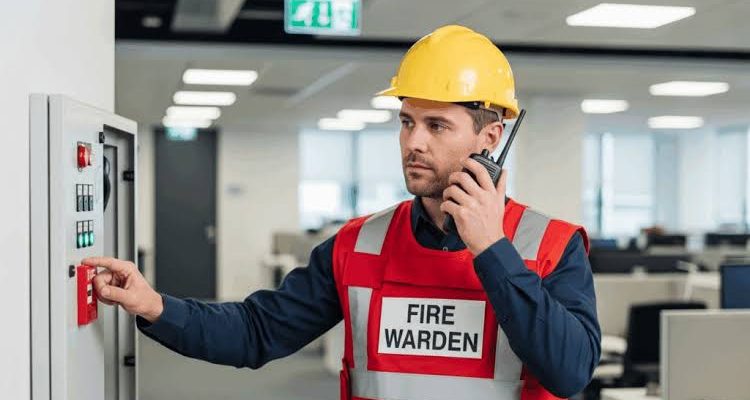
Data centres hold equipment and information that organisations cannot easily replace, and they are expected to run without interruption. Fires in these facilities are uncommon, but their consequences can be severe. To limit the risk, data centres rely on specialised detection and suppression systems, which in turn require careful handling when they must be shut down or repaired. This article explains how fire watch works in these demanding environments.
Because high-density server rooms combine continuous electrical loads with strict uptime and security requirements, deploying trained Fire Watch Guards ensures seamless, compliant protection whenever clean-agent or pre-action systems are taken offline. Experienced personnel understand how to navigate controlled access zones, spot early signs of overheating equipment or battery issues without disrupting operations, and maintain the precise patrol logs that insurers and auditors demand.
What Makes Data Centres Different
A data centre packs a large amount of electrical power into a small space. Servers, power distribution units, batteries, and cooling equipment all generate heat. Strong airflow, designed to cool equipment, can also disperse smoke and make early detection harder. To protect the equipment, many facilities use clean-agent gas systems or pre-action sprinklers instead of ordinary water-based protection. Fire protection standards such as NFPA 75 and 76 guide how these spaces are designed and maintained.
Areas Guards Check
Patrols concentrate on the places most likely to produce heat or sparks. These include electrical rooms, battery areas, generator spaces, cable trays, and the server floor itself. Guards look for unusual odours, warm surfaces, discoloured cables, and signs of overheating equipment. They also confirm that combustible materials such as cardboard and packaging are not stored in equipment areas. Any observation should be reported to facility operations, who can decide how to act without disrupting critical systems.
Managing Impairments
A fire watch is commonly needed when detection or suppression equipment must be taken offline for maintenance or repair. Because data centres operate under strict change-control procedures, the watch must be coordinated with the operations team in advance. Guards may need escorts, badges, and instructions for entering secure areas. Insurers frequently have their own requirements for impairments in mission-critical buildings, so owners should check policy terms before work begins.
Emergency Procedures
If smoke or heat is detected, the guard follows the site’s escalation path, which usually begins with notifying the control room and the fire department. Guards should not attempt to discharge suppression agents, cut power, or shut down equipment unless specifically trained and authorised. Water should never be applied to energized equipment. Clear communication and adherence to the site plan help prevent a minor event from becoming a costly outage.
Documentation for Insurers and Auditors
Data centre operators answer to insurers, customers, and auditors, so records of the watch must be complete and precise. Entries should show every patrol time, the areas visited, any alarms or trouble signals observed, and the people notified. Logs should be stored in a format that can be shared quickly with those parties. Keeping a clear record also supports the facility’s wider continuity planning, since it demonstrates that risks were managed during the work.
Conclusion
Protecting a data centre during a system impairment requires a guard who understands both fire hazards and the unusual demands of a high-availability environment. With careful coordination, targeted patrols, and disciplined emergency procedures, fire watch coverage can help preserve valuable equipment, data, and uptime.